Who Can File a Wrongful Death Claim in New York?
In New York, the personal representative of the deceased person is the only party authorized to file a wrongful death claim. However, eligible surviving family members, such as a spouse, children, or parents, may receive compensation for their financial losses through the estate’s lawsuit.
If you have lost your loved one because of someone else’s negligence, pursuing a wrongful death claim can be legally complex. At Uptown Injury Law, PLLC, we have years of experience helping families identify potential defendants, evaluate insurance coverage, and manage communications with insurers. Contact us at 917-540-8728 to discuss your New York wrongful death lawsuit.
Who Is Eligible to File a Wrongful Death Claim in New York?
Only the personal representative of a deceased person’s estate can file a wrongful death claim for eligible surviving family members. The representative may be an executor named in a will or an administrator appointed by the court. However, individual family members cannot file the lawsuit directly unless they are officially appointed as the personal representative.
Moreover, under New York Estates, Powers and Trusts Law (EPTL) § 5-4.1, you can file a claim only when a person dies due to a wrongful death action. For example, if a person dies in a car accident caused by a negligent driver, the personal representative of the deceased’s estate can file a wrongful death claim. But if the appointed executor declines to file the lawsuit, eligible distributes may seek the appointment of an administrator to pursue the case on behalf of the surviving spouse and children.
Who Can File a Wrongful Death Case If Deceased Had a Will?
If a deceased person left a valid will, the executor named in that will can file a New York wrongful death case on behalf of the estate. However, under Surrogate’s Court Procedure Act § 1414, the executor must obtain letters testamentary from the court after the will is admitted to probate. Even when a will names an executor, state laws often require that this person act as a “personal representative.” While the executor files the lawsuit, any recovered compensation goes to the statutory beneficiaries rather than just the estate’s general heirs.
What Happens If the Deceased Person Did Not Have a Will?
When a person dies without a will, New York law determines how to distribute their property and administer their estate. Under New York Estates, Powers and Trusts Law (EPTL) § 4-1.1, the deceased’s assets are distributed according to the state’s intestate succession rules. These rules govern the inheritance rights of surviving spouses, children, parents, and other relatives.
In such cases, the Surrogate’s Court appoints an administrator instead of an executor. Under Surrogate’s Court Procedure Act § 1001, the court follows a statutory order of priority when appointing an administrator. The administration process may take months or longer, depending on the following factors:
- Estate Complexity: An estate with multiple properties, bank accounts, investments, or other assets that require valuation may take longer to distribute.
- Family Disputes: Disagreements among surviving relatives over inheritance rights and asset distribution can delay estate administration. It also requires additional court proceedings.
- Outstanding Debts: The administrator must identify the deceased’s debts and address valid creditor claims. They should resolve financial obligations before distributing the remaining estate assets, which may delay the process.
- Court Requirements: Filing petitions, notifying interested parties, obtaining required documents, resolving objections, and securing court approval can delay estate administration.
All these reasons may also increase legal and administrative expenses. As a result, it reduces the assets ultimately available for distribution to beneficiaries.
Do All Family Members Receive a Share of the Settlement?
No, not all family members automatically receive a share of a settlement in New York wrongful death claims. Under New York Law, the settlement is distributed to eligible distributees according to the financial losses suffered rather than being divided equally among all relatives.
The court determines each eligible distributee’s share based on the financial harm caused by the decedent’s death. The following factors may affect the distribution:
- Financial dependency: A spouse, child, or parent may seek compensation for the financial support they reasonably expected from the deceased.
- Loss of services: The court may consider the value of household assistance, caregiving, and other services the deceased provided.
- Funeral and medical expenses: Eligible relatives who paid qualifying funeral and burial expenses can recover damages.
- Family relationships: The deceased’s surviving spouse, children, and parents may qualify, depending on the New York intestacy rules.
For example, if a deceased parent supported two children, the court may allocate different shares based on each child’s suffered financial losses. However, siblings and extended family members cannot pursue compensation, even if they were financially dependent on the deceased.
What Types of Auto Accidents Can Lead to Wrongful Death Claims?
Motor vehicle accidents can lead to wrongful death claims when a driver’s wrongful conduct causes a fatal crash. Common examples include speeding, distracted driving, drunk driving, reckless driving, running red lights, and failing to yield. Depending on the circumstances, the at-fault driver or another responsible party may be held liable for the death and resulting financial losses.
Here’s how these situations can form a basis for a wrongful death claim:
Speeding-Related Car Accidents
Speeding can cause fatal car accidents by reducing a driver’s reaction time and increasing the force of impact during a collision. When a driver drives too fast for traffic, weather, or road conditions, they may be unable to stop before striking another vehicle. If the driver’s speeding causes a fatal crash, eligible family members may pursue a wrongful death claim.
Distracted Driving Accidents
Distracted driving accidents occur when drivers divert their attention from the road to activities such as texting, adjusting navigation systems, or interacting with passengers. Even a small lapse in a driver’s attention can prevent a driver from noticing stopped traffic, a changing signal, or another vehicle entering an intersection.
Drunk Driving Accidents
Drunk driving can cause fatal crashes because alcohol impairs judgment, reaction time, and the ability to maintain control of a vehicle. A driver may cross into oncoming traffic, fail to stop at a red light, or misjudge the distance between vehicles. When an intoxicated driver’s conduct causes a person’s death, the wrongful death victim’s estate can pursue a lawsuit.
Reckless Driving Accidents
Reckless driving involves dangerous behavior that disregards the safety of other road users. Examples include aggressive tailgating, weaving through traffic, illegal street racing, and making dangerous overtaking maneuvers. These actions can cause high-impact collisions that result in fatal injuries.
Failure-to-Yield Accidents
Failure-to-yield accidents occur when drivers do not give other road users the right of way as required by traffic laws. Common examples include turning across oncoming traffic and entering a busy roadway without checking for approaching vehicles. These mistakes can result in fatal head-on, side-impact, or pedestrian collisions. A wrongful death claim may be possible when evidence shows that the driver’s failure to yield caused the fatal injuries.
Who Can Be Sued for Wrongful Death Action in New York?
In New York, you can sue the at-fault driver, a negligent vehicle owner, or an employer responsible for a driver’s negligence. You can also sue a government entity or a commercial establishment that negligently contributed to a fatal car accident.
Here’s how you can file a wrongful death lawsuit against these parties:
1. Negligent Driver
The driver who caused the fatal collision may be sued for negligence. Examples include speeding, distracted driving, driving under the influence, running a red light, failing to yield, or following another vehicle too closely.
2. Vehicle Owner
A vehicle owner may be liable even if someone else was driving at the time of the accident. Under New York Vehicle and Traffic Law § 388, an owner can be held responsible when another person operates the vehicle with the owner’s permission and causes death. For example, if a vehicle owner allows a friend to use their car and that friend causes a fatal crash through careless driving, the owner may be held responsible.
3. Driver’s Employer
An employer may be liable when an employee causes an accident while performing job-related duties. This may apply to crashes involving delivery drivers, company vehicles, or employees driving for work. For example, if a delivery driver causes a fatal collision while completing assigned deliveries, the employer may share responsibility.
4. Trucking Company or Commercial Vehicle Operator
A trucking company may face liability if its negligence contributed to a fatal collision. Potential issues include inadequate driver training, negligent hiring, unsafe vehicle maintenance, or requiring drivers to work under unsafe conditions. For example, if a trucking company fails to repair defective brakes and the resulting brake failure contributes to a fatal crash, the company may be liable.
5. Vehicle or Auto Parts Manufacturer
A vehicle manufacturer or parts supplier may be sued if a defective vehicle or component contributed to the death. Potential defects include faulty brakes, defective tires, steering failures, or malfunctioning safety systems. For example, if a defective steering component causes a driver to lose control and fatally strike another vehicle, the manufacturer may face a product liability claim.
6. Government Entity
A government entity may be liable when a dangerous road condition, defective traffic signal, or negligent road maintenance contributes to a fatal accident. For example, if a municipality’s actionable failure to address a hazardous road condition contributes to a fatal crash, you can file a claim.
7. Establishments that Over-Served Alcohol (Dram Shop Act)
Under New York’s Dram Shop Act (General Obligations Law § 11-101), you can sue a bar, restaurant, or commercial establishment. You can sue them if they unlawfully sell alcohol to someone who is visibly intoxicated or underage.
How Is a Wrongful Death Case Different From a Criminal One?
A wrongful death lawsuit allows a deceased person’s family to seek financial compensation for their losses. A criminal case, however, allows the government to prosecute someone for breaking the law. Both cases may arise from the same incident, but they have different .
Under wrongful death law, the deceased’s appointed personal representative files the lawsuit on behalf of eligible distributees. In a criminal case, the district attorney or another authorized prosecutor brings charges against the accused. The deceased person’s family may cooperate with investigators, provide evidence, and participate in certain proceedings.
Moreover, in a criminal case, prosecutors must prove every element of the charged offense, as required by Criminal Procedure Law § 70.20. Such cases may result in a conviction and criminal charges, including imprisonment, fines, or other sanctions. However, criminal proceedings do not automatically compensate the deceased person’s family for their financial losses.
In contrast, a wrongful death lawsuit uses the civil standard of proof, generally called a preponderance of the evidence. This means the plaintiff must show that the evidence supports their claim by more than 50%, demonstrating that the death resulted from the defendant’s wrongful act.
Can Both Cases Proceed After the Same Fatal Car Accident?
Yes. A fatal car accident can lead to both a criminal case and a wrongful death lawsuit. For example, if a driver causes a fatal crash while driving under the influence, prosecutors may file criminal charges. At the same time, the deceased person’s appointed personal representative may file a wrongful death lawsuit to seek compensation for the family’s losses.
The two cases follow different legal standards. Even if the driver is found not guilty in the criminal trial, the family may still pursue a wrongful death claim. The civil case depends on whether the evidence shows that the driver’s negligence or wrongful conduct caused the death.
At Uptown Injury Law, PLLC, we help families understand their legal options after a fatal car accident. Our law firm also secured a $1,800,000 result in a commercial truck collision case. Attorney Kyle Newman filed a motion for summary judgment on liability, which the firm won. The jury ultimately found the defendants responsible for our client’s severe injuries.
Although that case involved personal injuries rather than wrongful death, it demonstrates our approach to investigating accidents, addressing liability disputes, and presenting evidence in court. We apply the same careful approach when helping families pursue wrongful death claims while criminal proceedings are underway.
If you lost a loved one in a fatal car accident, our New York wrongful death lawyers can explain your legal options and help you understand the steps involved in pursuing compensation. Get a free consultation.
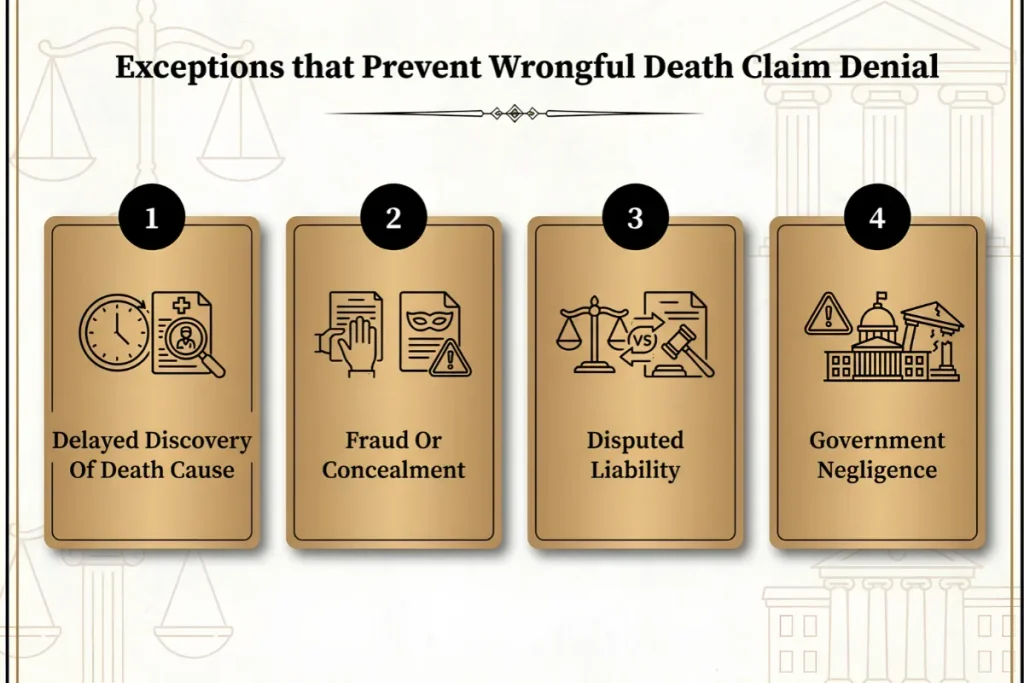
What Damages Can Be Recovered in a Wrongful Death Lawsuit?
In a wrongful death lawsuit, you can recover funeral and burial expenses. You can also recover medical costs related to the final injury and the value of services the deceased would have provided. Besides that, eligible beneficiaries may recover lost inheritance and other documented financial losses resulting from the death.
Additionally, New York does not impose caps on wrongful death damages. Here are the damages that you can recover in a wrongful death lawsuit:
- Lost Financial Support: This can include lost income and anticipated financial support for a spouse, children, or other eligible beneficiaries. Calculations may consider the deceased’s earnings, work history, expected career, and financial responsibilities.
- Loss of Household Services: A claim may include the monetary value of services such as childcare, household maintenance, transportation, or assistance with everyday responsibilities.
- Medical Expenses Before Death: Reasonable expenses for medical care, nursing, and treatment related to the fatal injury may be recoverable. These expenses can include emergency treatment, hospitalization, and other necessary care provided before death.
- Funeral and Burial Expenses: Eligible beneficiaries may recover reasonable funeral expenses they paid or are responsible for paying. Families should retain invoices, receipts, and payment records to establish the amount claimed.
- Loss of Inheritance: You can recover compensation for the deceased’s anticipated savings, assets, and financial circumstances.
- Punitive Damages: Courts award these damages only when the defendant’s intentional harm or extreme recklessness hurts someone.
What Evidence Is Needed to Prove a Wrongful Death Claim?
To prove a wrongful death claim, you need a police report, witness statements, photographs or surveillance footage, medical records, and a death certificate. Financial records, funeral bills, and expert testimony can also help establish the connection between the crash, the death, and the family’s financial losses.
Here’s how this evidence can help strengthen your claim:
1. Police Accident Report
The police report may document the crash location and statements from drivers and witnesses. In addition, it includes road conditions, traffic violations, and the officer’s observations. Investigators may also review traffic-camera footage, vehicle damage, skid marks, and accident reconstruction findings to help determine how the collision occurred.
2. Medical Records, Death Certificate, and Autopsy Report
Hospital records, emergency medical reports, treatment notes, and autopsy findings can help establish the cause of death. If the victim survived for a period after the collision, medical records may also document treatment and related expenses.
3. Witness Statements and Video Evidence
Eyewitnesses can describe whether a driver sped, drove while distracted, acted recklessly, or failed to yield. In addition, dashcam recordings, surveillance footage, photographs, and nearby traffic-camera videos reveal details that were not captured in the police report.
To collect all this evidence promptly after the decedent died, you may need to hire a wrongful death attorney. At Uptown Injury Law, PLLC, we help gather interview witnesses, consult qualified experts, and organize evidence to support the family’s claim. Our team also identifies potential sources of compensation, challenges fault disputes, and prepares your claim for settlement negotiations. Call us at 917-540-8728 today to learn how we can help your family pursue the compensation available under New York law.
Can You File a Claim if the Victim Survived After the Injury?
Yes, you may file a personal injury claim to recover compensation for medical bills, lost wages, pain, and suffering. If the victim later dies from those injuries, the personal injury claim may continue through the estate’s personal representative. The family may also be able to file a wrongful death claim for eligible losses.
To recover compensation, the estate or family must provide evidence that the defendant’s negligence caused the original injury and, where required, that the injury led to the victim’s death. The types of claims and recoverable damages depend on the circumstances and applicable laws.
How Long Does the Family Have to File a Claim?
In New York, the family or personal representative has two years from the date of the person’s death to file a wrongful death lawsuit. However, if the claim involves a city, state, or public agency, you must file a formal Notice of Claim within 90 days of the representative’s appointment.
Although exceptions to this two-year rule are extremely rare, an active criminal prosecution against the defendant may allow the family to extend the deadline. Moreover, if a minor child is the sole beneficiary, the court may pause the deadline until a guardian is appointed or the child turns 18.
What Happens If You Miss the Wrongful Death Statute?
If you miss the deadline to file a wrongful death lawsuit, the court will generally dismiss your case, preventing you from recovering compensation. The defendant can ask the court to dismiss the lawsuit because it was filed too late. If the court grants the request, you may lose the opportunity to recover damages for financial losses and other losses allowed under the law.
Seeking Justice for Your Loved One? Consult Uptown Injury Law, PLLC Wrongful Death Lawyers!
Losing a loved one because of another party’s negligence can leave you facing legal and financial challenges. You may be uncertain about who has the legal authority to file a wrongful death claim, how to establish liability, or what compensation your family may be entitled to recover.
Recognized with a Multi-Million Dollar Advocates Forum title, Uptown Injury Law, PLLC, lawyers review accident reports, identify potentially responsible parties, and document the financial losses associated with the death. We also manage communications with insurance companies and work on a contingency fee basis, so you don’t have to worry about anything. Visit us at 2417 Third Ave., Suite 505, Bronx, New York 10451, or call 917-540-8728 to file your case on time.
FAQs
How Much Is a Wrongful Death Settlement in New York?
In New York, wrongful death settlements typically range from $500,000 to over $2,000,000. However, the exact amount depends on the deceased person’s income, financial support, household contributions, and the family’s documented economic losses.
Can You File a Wrongful Death Claim for a Workplace Incident?
Yes, eligible beneficiaries may pursue a wrongful death claim when a workplace incident causes a person’s death. Depending on the circumstances, the claim may involve a third party, such as a contractor, equipment manufacturer, or property owner.
Can More Than One Lawsuit Be Filed for the Same Person?
Yes, you can file another lawsuit if the court dismissed your first case for a minor procedural error rather than on the merits of your claim. You can also file two lawsuits if you are filing based on entirely different facts, new injuries, or a separate incident.
Are Wrongful Death Settlements Taxable in New York?
No, wrongful death settlements in New York are not subject to federal income tax. This is because they compensate eligible beneficiaries for qualifying physical injury-related damages. However, certain components, including punitive damages or interest, may be taxable depending on the award’s structure.
Does the Deceased’s Income Affect the Amount of Compensation?
Yes, the deceased’s income determines and scales the amount of financial compensation awarded in most wrongful death claims. Courts calculate what the deceased would have earned over their expected working life. Higher historical earnings and promotions increase the compensation value.