Can You Sue Beyond Workers’ Comp After a Work Injury?
Yes, you may be able to pursue a third-party personal injury lawsuit in addition to workers’ compensation benefits if someone else’s negligence or a defective product caused your workplace injury. Depending on the circumstances, liable parties may include subcontractors, property owners, or equipment manufacturers. A separate lawsuit may allow you to recover additional damages, including pain and suffering, that workers’ compensation generally does not cover.
At Uptown Injury Law, PLLC, we investigate how your accident happened, who was responsible, and gather evidence to support your claim. We also review accident reports, surveillance footage, equipment records, and job-site safety conditions to determine whether you are eligible to file a separate personal injury lawsuit.
Call 917-540-8728 to discuss your workplace injury and explore your options for pursuing compensation beyond workers’ compensation.

When Can You Sue Beyond Workers’ Compensation After a Workplace Injury?
In New York, you can file beyond a workers’ compensation claim when a third party’s negligence, a defective product, or another party’s intentional harm caused you a workplace injury. Although workers’ compensation provides benefits without requiring you to prove fault, it does not compensate you for emotional distress and punitive damages.
Moreover, New York generally limits an injured employee’s ability to sue their employer directly through the workers’ compensation exclusive-remedy rule. Under Workers’ Compensation Law § 11, exceptions apply when employers fail to carry workers’ compensation insurance for their employees.
In such cases, an employee must file a civil lawsuit, depending on the circumstances and applicable legal requirements. For example, if you fall from a scaffold because required safety devices were not provided, you can pursue legal action under Labor Law § 240(1). Similarly, if you trip over construction debris because of a qualifying safety violation, a claim under § 241(6) may be possible.
Which Work Injuries Qualify for a Lawsuit Beyond Workers’ Comp?
Injuries caused by malfunctioning machinery, faulty tools, or dangerous safety gear allow you to sue the manufacturer. Similarly, if another contractor, delivery driver, or visiting worker on your site acts carelessly and hurts you, you can sue them directly.
On the other hand, if you are hurt due to a hidden hazard on a property that your employer does not own, you can file a premises liability claim against the property owner. Moreover, if a reckless driver hits you while you are driving for work, you can sue that outside driver. Common work injuries that may qualify:
- Construction injuries: Fractures, head injuries, or spinal damage caused by unsafe scaffolding or falling objects.
- Machinery injuries: Crushed fingers, amputations, or burns caused by defective machinery.
- Slip-and-fall injuries: Broken bones or head trauma caused by hazardous conditions on another party’s property.
- Vehicle-related injuries: Neck injuries, internal bleeding, or multiple fractures caused by negligent drivers during work.
- Toxic exposure injuries: Respiratory damage or other illnesses linked to a third party’s negligence or hazardous products.
How Does the Workers’ Compensation System Work?
Workers’ compensation is a no-fault insurance system paid by employers that provides medical care and partial wage replacement to employees who suffer work-related injuries or illnesses. Under Workers’ Compensation Law § 10, covered employers must provide compensation for qualifying workplace injuries without requiring employees to prove employer negligence.
According to the workers’ comp system, workers should report a workplace injury or occupational illness to their employer as soon as possible. Under Workers’ Compensation Law § 18, written notice must be provided within 30 days of the accident.
Moreover, to seek workers’ compensation benefits, they must file Form C-3 with the Workers’ Compensation Board within two years of the accident. Eligible employees may receive medical care for work-related injuries under Workers’ Compensation Law § 13 and partial wage-replacement benefits for qualifying disabilities.
What Damages Are Covered Under a Workers’ Compensation Claim?
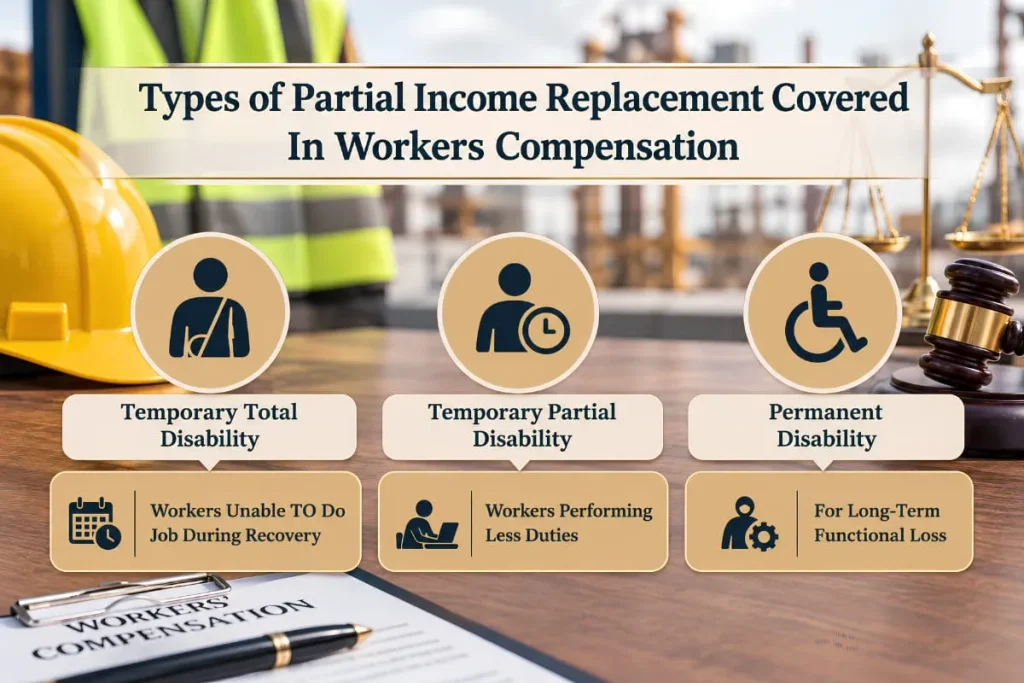
Workers’ compensation claims cover medical expenses, full lost wages, disability benefits, rehabilitation costs, and benefits for permanent impairments caused by work-related injuries or illnesses. In New York, eligible workers may also receive vocational rehabilitation and wrongful death benefits for qualifying dependents when a workplace injury results in death.
These benefits may include the following types of financial recovery and medical support, depending on the nature of the workplace injury:
- Medical expenses: Covers necessary medical treatment, including doctor visits, hospital stays, surgery, prescription medications, and physical therapy.
- Disability benefits: Compensate eligible workers for temporary or permanent disabilities that affect their ability to earn income.
- Rehabilitation costs: May cover vocational rehabilitation services that help injured employees return to work or prepare for suitable alternative employment.
- Death benefits: Provide benefits to eligible surviving dependents when a worker dies from a work-related injury or occupational illness.
What Is a Third-Party Claim in Workers’ Compensation?
A third-party liability claim in workers’ compensation is a separate personal injury lawsuit against someone other than the employer or co-worker who caused the workplace injury. According to this, injured workers may file claims against negligent subcontractors, property owners, equipment manufacturers, or drivers to receive double recovery.
Unlike receiving workers’ compensation benefits, a third-party lawsuit may provide compensation for pain and suffering, lost income, and other legally recoverable damages. However, liability and the final recovery may depend on the following factors:
- Facts of the accident: The injured worker must establish that the third party caused the workplace injury. Evidence such as witness statements, accident photos/videos, and maintenance records may help support the claim.
- Workers’ compensation liens: If an injured worker accepts workers’ compensation benefits and later recovers damages from a third party, the workers’ compensation insurer may have a lien against the recovery for benefits paid.
- Reimbursement rules: A portion of a third-party settlement will be reimbursed to the workers’ compensation carrier. The amount depends on the applicable legal rules, expenses, and circumstances of the workers’ compensation case.
Can I Sue My Co-Worker for Work-Related Injury?
No, you cannot sue a co-worker for a work-related injury because workers’ compensation laws protect employees from lawsuits by fellow workers. However, exceptions may apply depending on the situation, including intentional misconduct or gross negligence outside the scope of employment, for example:
- Intentional harm: If a co-worker intentionally injures you, you can pursue a civil claim, depending on the evidence.
- Conduct outside employment: If the person who caused your injury is an independent contractor or works for a completely separate company.
- Extreme Recklessness: If the injury results from dangerous pranks that go beyond normal work activities.
In such cases, you should report your manager or supervisor right away and fill out a formal workplace accident report. Next, visit the doctor and clearly state that your injury occurred on the job so it can be logged under workers’ compensation.
You should also consult lawyers at Uptown Injury Law, PLLC. We can help you collect copies of medical records, photos of the incident scene, and names of the incident witnesses. Moreover, we can help you meet applicable filing deadlines, address liability disputes, and protect your right to seek full compensation. Reach out for a free consultation and legal guidance.
Does Workers’ Compensation Affect Job Security?
Under Workers’ Compensation Law § 120, employers cannot terminate employees because they filed a workers’ compensation claim. If your employer threatens your job, reduces your hours, or takes other adverse action because of your claim, you can file a complaint.
Still, if an employer fires you, the New York Workers’ Compensation Board can order penalties, rehiring, or lost wage payments. However, since New York is an at-will employment state, employers can legally terminate you for business reasons, such as:
- Company restructuring
- Budget layoffs
- Documented performance issues
- Medical leave exceeds what the business can accommodate, and they need to replace you to keep operations running
This may happen because state workers’ compensation laws do not force employers to keep your specific position open indefinitely. However, federal laws like the Family and Medical Leave Act (FMLA) may secure your unpaid leave status for up to 12 weeks.
What Is the Deadline to File a Lawsuit Against an Employer in New York?
In New York, injured employees must file a workers’ compensation claim within two years of the workplace accident. For an occupational disease, the two-year filing period generally begins when the worker becomes disabled due to the disease and knows that the condition is related to their employment.
However, if you don’t file a workers’ compensation claim in a timely manner, it can affect your ability to receive benefits. At Uptown Injury Law, PLLC, we can help you determine the applicable filing deadline and prepare the necessary documentation. Book your appointment now and let us help you handle the legal process without delay.
Will a Lawsuit Affect My Workers’ Compensation Benefits?
Yes, filing a third-party lawsuit can affect the total compensation you receive, but it does not automatically stop your workers’ compensation benefits. Your medical and wage benefits may continue while you pursue a separate claim against the party responsible for your workplace injury. However, any settlement or court award may be subject to workers’ compensation liens and reimbursement rules.
For example, if a negligent driver, contractor, or equipment manufacturer caused your injury, you may be able to pursue a personal injury claim while receiving workers’ compensation benefits. Your insurer may have the right to recover certain benefits it has paid from your third-party settlement or award, subject to applicable law. This can affect the amount you ultimately receive.
Injured at Work in New York? Consult Uptown Injury Law, PLLC, For Your Workplace Injury Claim
Workers’ compensation may not be your only option after a workplace injury. If a negligent contractor, property owner, or equipment manufacturer contributed to your accident, you may be able to pursue a separate personal injury lawsuit.
Recognized as one of the best law firms, Uptown Injury Law, PLLC, helps injured workers throughout the Bronx, Manhattan, Queens, Brooklyn, and the New York City Metro Area pursue a third-party personal injury lawsuit. Our legal team investigates the accident, identifies potentially responsible contractors, and gathers evidence to help sue your employer. Visit us at 2417 Third Ave., Suite 505, Bronx, New York 10451, or call 917-540-8728 to discuss your workplace injury claim.
FAQs
Should I Hire a Lawyer for a Third-Party Workplace Claim?
Yes, hiring a lawyer can help you pursue a third-party workplace injury claim while receiving workers’ compensation benefits. An attorney can identify responsible parties, collect evidence, and establish negligence. They can also help you calculate damages and negotiate with insurers while protecting your interests throughout the legal process.
Does An Employer’s Lack Of Insurance Change Legal Options?
Yes, an employer’s failure to carry required workers’ compensation insurance can change your legal options. In such cases, you may qualify for benefits through the Uninsured Employers Fund. Moreover, you have grounds to pursue a lawsuit against your employer for additional compensation.
How Lawsuits Differ From Workers’ Compensation Claims?
Workers’ compensation claims provide medical care benefits and wage-replacement benefits without requiring proof of employer negligence. In contrast, a personal injury lawsuit typically requires evidence that another party’s negligence caused your injuries. It also provides compensation for pain and suffering.
Can I Collect Workers’ Comp and a Personal Injury Settlement?
Yes, you can receive benefits and pursue a personal injury settlement against a negligent third party. However, workers’ compensation insurers may have reimbursement or lien rights against your settlement, which can affect the amount you receive.