How Does New York State No-Fault Insurance Work?
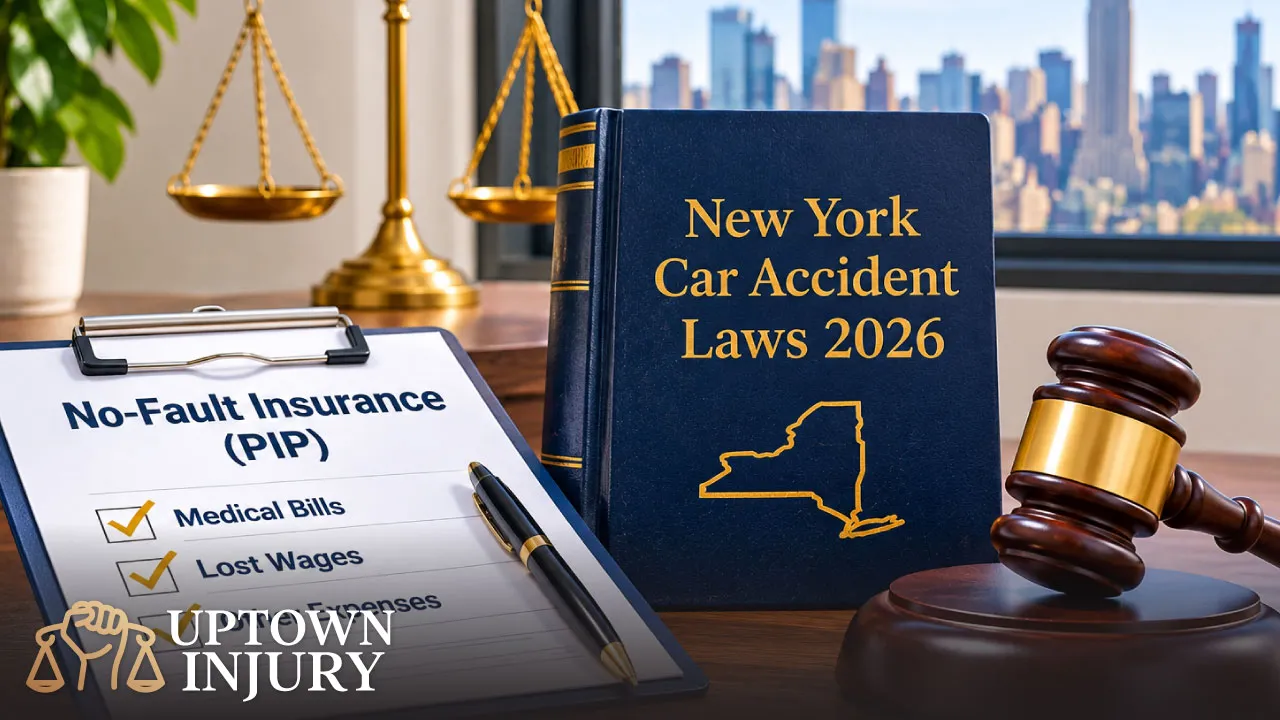
New York State no-fault insurance helps cover your medical bills, lost earnings, and other economic losses after a car accident, regardless of who was at fault. However, you must file a No-Fault claim within 30 days of the crash to qualify for these benefits.
Even when you qualify for no-fault benefits, getting your expenses covered isn’t always straightforward. Insurers may question treatment costs, request additional documentation, or dispute payment for certain expenses. This is where Uptown Injury Law, PLLC can help. With millions recovered for our clients in verdicts and settlements, our lawyers know how to handle insurance disputes and help you pursue the benefits available to you. Call 917-540-8728 today for a free consultation.
Key Takeaways
- New York requires $50,000 in basic PIP coverage under Insurance Law § 5102.
- You generally have 30 days to file a No-Fault claim in New York.
- PIP covers 80% of lost wages, up to $2,000 per month for three years.
- Eligible additional expenses are covered up to $25 per day for one year.
- APIP and OBEL provide additional protection beyond basic PIP limits.
- Pain and suffering claims must meet the New York serious injury threshold.
- You can file a No-Fault arbitration for disputed benefits under Insurance Law § 5106(b).
What Are the Rules for New York State No-Fault Insurance?
New York’s no-fault system requires all registered vehicle owners to carry at least $50,000 in PIP coverage to cover basic economic losses after a car accident. However, if you want to seek compensation for pain and suffering from the at-fault driver. Your injury must meet the serious injury threshold under New York Insurance Law § 5102(d).
Under this law, your injury must fall into at least one of the following categories:
- Death
- Dismemberment
- Significant disfigurement
- A fracture
- Loss of a fetus
- Permanent loss of use of a body organ, member, function, or system
- Permanent consequential limitation of use of a body organ or member
- Significant limitation of use of a body function or system
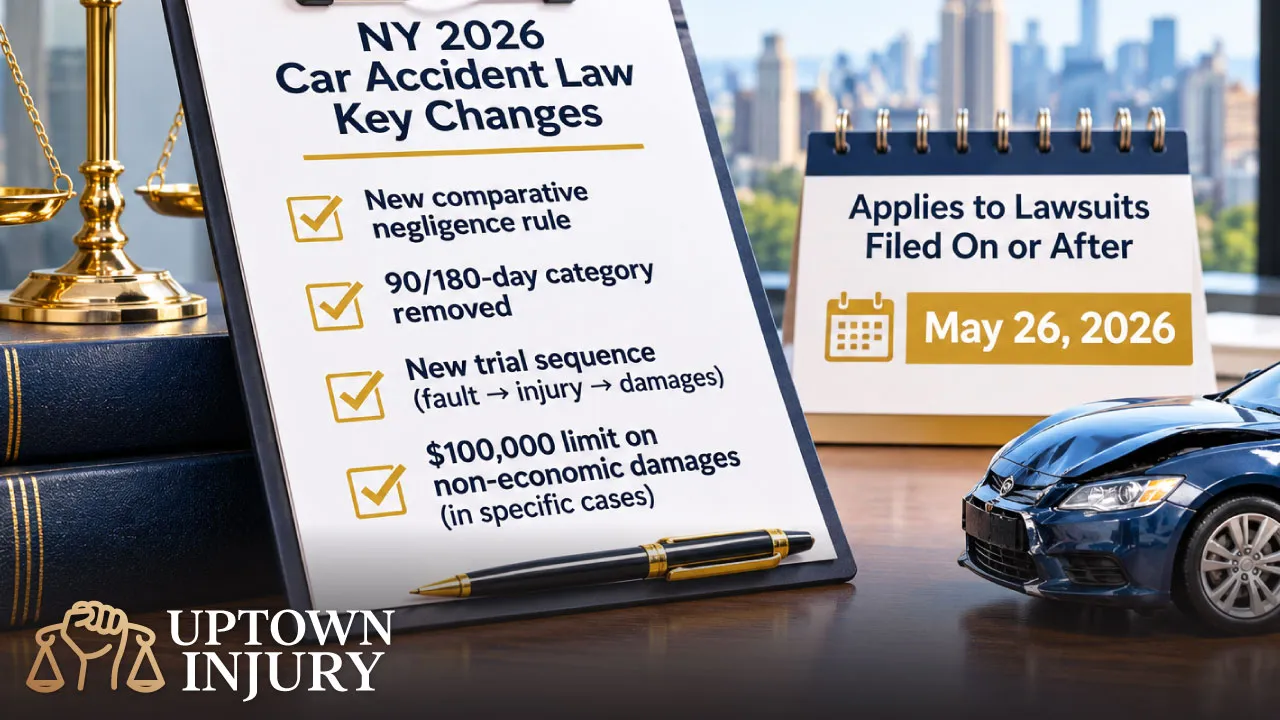
You may also qualify under the 90/180-day rule if your bodily injury prevents you from performing most of your usual daily activities for at least 90 days during the first 180 days after the accident.
The rules for filing a no-fault claim also depend on how the accident happened. If you are injured in a car accident, you generally file a no-fault claim and submit it to the insurer responsible for covering the vehicle involved. If you are a pedestrian hit by a car, you typically file with that vehicle’s insurer. However, motorcycle riders and passengers generally cannot claim no-fault benefits for injuries from a motorcycle accident.
You may also be unable to receive no-fault benefits in certain situations, including:
| Disqualification | Explanation |
| Intentional Acts | Injuries intentionally caused by the injured person may be excluded from no-fault coverage. |
| Illegal Activity | Injuries sustained while committing a felony may be excluded. |
| Stolen Vehicles | A person who knowingly drives a stolen vehicle may be ineligible for benefits. |
| Intoxication | Driving under the influence of drugs or alcohol may affect eligibility. |
What Benefits Does New York No-Fault Insurance Offer?
New York no-fault insurance helps pay for accident-related expenses, including medical treatment, lost wages, and certain daily costs. Under basic PIP coverage, you may qualify for the following benefits:
- Medical care: Hospital stays, surgery, physical therapy, diagnostic tests, and prescription drugs.
- Lost earnings: Up to 80% of lost income, with a limit of $2,000 per month for up to 3 years.
- Other expenses: Up to $25 per day for one year for eligible costs, such as household help and transportation to medical appointments.
- Death benefit: An additional $2,000 for the eligible family members if the accident results in death, under New York Insurance Law § 5103(a)(4).
Who Qualifies for No-Fault Insurance Benefits?
In New York, drivers, passengers, and pedestrians injured in car accidents may qualify for no-fault insurance benefits, regardless of who caused the accident. However, coverage depends on the circumstances of the accident and the available insurance policy.
You may qualify for benefits if you are:
- A driver or passenger: You were injured while riding in an insured vehicle.
- A pedestrian or cyclist: You were injured by a motor vehicle.
- Family member: You may be covered under a relative’s auto insurance policy if you live in the same household.
- Someone without auto insurance: You may still qualify through another applicable policy. This could include the vehicle owner’s insurance.
What If No Insurance Policy Covers You?
You may be able to seek benefits through the New York Motor Vehicle Accident Indemnification Corporation (MVAIC), if you meet its eligibility requirements.
What Damages Does No-Fault Insurance Not Cover?
New York no-fault insurance does not cover vehicle repairs, property damage, or compensation for pain and suffering. It also doesn’t cover damages to other drivers’ vehicles, destruction of roadside objects or property, and vehicle theft.
To cover these damages, you have to file a property damage claim against the at-fault driver’s liability coverage. Your own collision coverage may also apply. Besides that, no-fault coverage doesn’t pay for emotional distress or mental anguish. Moreover, it doesn’t cover medical bills exceeding policy limits or injuries to other drivers.
Can You Get Additional PIP or OBEL Coverage in New York?
Yes, you can get Additional Personal Injury Protection (APIP) or Optional Basic Economic Loss (OBEL). These options can increase your protection beyond the standard $50,000 no-fault limit.
However, you must add these coverages to your auto insurance policy before an accident occurs. You cannot purchase them afterward to cover an existing accident or claim.
Moreover, you can only use Additional PIP or OBEL if you paid for these riders when you bought or renewed your policy. To activate these coverages on your policy, follow these steps:
1. Contact Your Auto Insurance Company
Contact your own auto insurance company, licensed agent, or broker and ask about Additional PIP and OBEL coverage. Request information about the available limits, premiums, eligibility requirements, and how the additional coverage affects your existing no-fault policy.
2. Compare Available Coverage Limits and Benefits
Review the available coverage options before choosing a policy. The standard New York no-fault insurance system generally provides up to $50,000 in basic economic loss benefits per eligible person. OBEL can add $25,000 after the basic limit is exhausted. Additional PIP (APIP) can provide further protection within the insurer’s limits.
3. Review the Additional Premium and Policy Terms
Compare how each coverage option pays for eligible medical expenses, lost wages, rehabilitation, and other costs. Ask your insurer for a written quote showing the additional premium for each option. Review the coverage limits, eligible expenses, and conditions for receiving benefits. This will help you understand how much extra protection you get and whether the added cost fits your needs.
4. Request the Coverage and Complete the Required Paperwork
Once you select your preferred options, ask your insurer or agent to add them to your policy. Complete any required application, selection form, or policy endorsement, and confirm the effective date of the additional coverage. Keep copies of the written quote, confirmation, and any documents you sign.
5. Verify the Coverage on Your Updated Policy
After the insurer processes your request, review your updated policy declarations page. Verify that your selected OBEL or Additional PIP coverage appears on the policy. Check that the limits match your selection. Make sure the premium reflects the added coverage. Contact the insurer promptly if any information is missing or incorrect.
Under 11 NYCRR § 65-1.5, the declarations page must also separately identify purchased OBEL coverage. If Additional PIP is purchased, the page must also show the basic economic loss limits, the maximum payable under Additional PIP, and the aggregate PIP benefits.
What Are the New York No-Fault Insurance Filing Deadlines?
In New York, you generally must submit a written NF-2 application to the no-fault insurance company within 30 days of a car accident to claim benefits under Insurance Law § 5106(a). You must also submit medical bills within 45 days of treatment. You generally have 90 days to submit claims for lost wages and other eligible expenses. This period starts when the wages were lost, or the expense was incurred.
However, if you missed the 30-day deadline, exceptions may apply if you have a valid reason for the delay. To avoid delays or problems with your benefits, submit your application and supporting documents as soon as possible.
Why Do No-Fault Claims Get Denied?
Your No-fault car accident claim may be denied because of missed filing deadlines, incomplete paperwork, lack of medical evidence, treatment delays, or disputes over whether injuries are accident-related. Insurers may also deny claims involving policy exclusions, coverage disputes, or failure to attend required independent medical examinations (IMEs).
If you received a denial, you can appeal a denied claim through arbitration or a lawsuit, and an attorney can help you challenge the insurer’s reasoning.
Here’s how these common reasons can lead to claim denials:
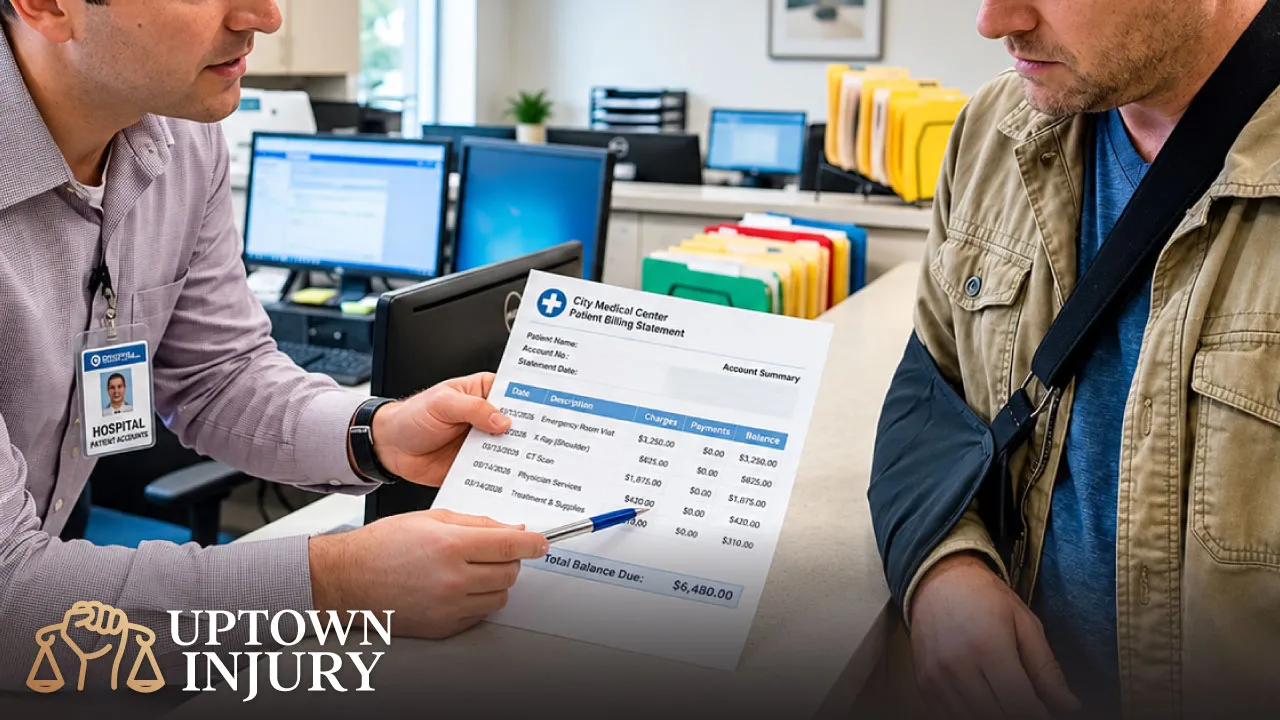
- Incomplete documentation: Missing medical records, unpaid bills, and wage verification can delay the claims process. Billing and coding errors submitted by healthcare offices can also lead to claim denial.
- Delayed medical treatment: Insurers may question whether injuries resulted from the accident when treatment begins long after the collision.
- Disputed medical necessity: An insurer may challenge the medical necessity of recommended treatment, diagnostic tests, or rehabilitation.
- Missed independent medical examinations: Failing to attend a properly requested IME can prevent you from obtaining benefits.
- Coverage or eligibility disputes: The insurer may argue that the injured person does not qualify for benefits under the applicable policy or that a policy exclusion applies.
How Can You Challenge a No-Fault Insurance Denial?
To challenge a no-fault car accident insurance denial, review the denial letter and identify the reason for rejection. Next, gather supporting medical records and bills and submit a written appeal with relevant evidence. If the insurer upholds its decision, you may pursue arbitration or file a complaint with the New York Department of Financial Services. To challenge a no-fault insurance denial, follow these steps:
1. Review the No-Fault Insurance Denial Letter
Review the insurance company’s denial letter to understand why it rejected your no-fault claim. The letter may cite a missed 30-day deadline or incomplete paperwork. It may also question medical necessity or identify missing supporting documents. Check the stated reasons, response deadlines, and instructions for challenging the decision.
2. Gather Supporting Evidence for Your Claim
Collect documents that support your eligibility for no-fault benefits, including medical records, treatment notes, and medical bills. Add proof of lost earnings and copies of submitted claim forms. Organize correspondence with the insurer and keep proof of when you submitted each document. If the denial is based on medical necessity, relevant records from your healthcare provider may help address the insurer’s concerns.
3. Submit a Written Appeal to the Insurance Company
Prepare a written response that addresses each reason for denial and includes relevant supporting documents. Follow the insurer’s appeal instructions and retain copies of your submission. You should also check whether the dispute requires a formal appeal for a car accident or additional documentation before proceeding.
4. Pursue No-Fault Arbitration or File a Regulatory Complaint
If the insurer maintains its denial, you may be able to pursue no-fault arbitration to resolve a dispute over benefits. During arbitration, you submit supporting documents to an arbitrator. These may include medical records, bills, and correspondence. The arbitrator reviews the dispute and issues a decision. You can also request an internal peer-to-peer review or a second-level appeal with the carrier.
How Can a No-Fault Insurance Lawyer Help?
At Uptown Injury Law, PLLC, our New York car accident lawyers can review your denial letter, medical records, and claim documents to identify why the insurer refused payment. We can help gather supporting evidence, address medical-necessity disputes, and challenge denied benefits through arbitration or other available legal procedures.
Need Help Recovering No-Fault Benefits? Get Legal Help From Uptown Injury Law, PLLC!
Getting no-fault insurance benefits can be challenging when insurers question your medical treatment, dispute lost wages, delay payments, or deny your claim. Even when you qualify, your personal injury protection (PIP) benefits may not cover every expense. This can be a concern if you need ongoing treatment, lose substantial income, or face long-term limitations.
At Uptown Injury Law, PLLC, we help accident victims challenge unfair no-fault denials, address insurer delays, and pursue millions of dollars in settlements. When your injuries and losses go beyond no-fault coverage, we can help you file a personal injury lawsuit against the at-fault party.
Visit us at 2417 Third Ave., Suite 505, Bronx, New York 10451, or call 917-540-8728 to pursue compensation for your losses.
FAQs
What Is No-Fault Insurance In New York?
New York no-fault insurance is also called Personal Injury Protection (PIP). It pays medical expenses, lost wages, and other necessary costs after a motor vehicle accident. Under Insurance Law § 5102(a), basic no-fault benefits provide up to $50,000 per injured person.
Do I Need a Lawyer for a No-Fault Claim?
Yes, a lawyer can help if your no-fault claim is denied, your benefits are delayed, or your treatment is cut off. They can explain your legal options, challenge an insurer’s decision, and determine whether you may qualify to pursue additional compensation from the at-fault party.
Can I Choose My Own Doctor Under No-Fault Insurance?
Yes, you can generally choose your own doctor under New York no-fault insurance. However, the provider must be authorized to provide the treatment and accept no-fault insurance. Moreover, your insurer may deny payment if the treatment is not medically necessary or other coverage requirements are not met.
Is Pain And Suffering Covered By No-Fault?
No, New York no-fault insurance does not cover pain and suffering. This is because it pays economic losses rather than non-economic damages. However, under Insurance Law § 5102(d) and § 5104(a), you can file a lawsuit against the at-fault driver if your injuries meet the serious injury threshold.
Can I Receive No-Fault Benefits If I Do Not Own a Car?
Yes, you may still qualify for New York no-fault benefits if you do not own a car. If you were injured as a passenger or pedestrian, you may be covered by the vehicle owner’s insurance or another applicable policy, depending on the circumstances.
What Happens After the $50,000 Runs Out?
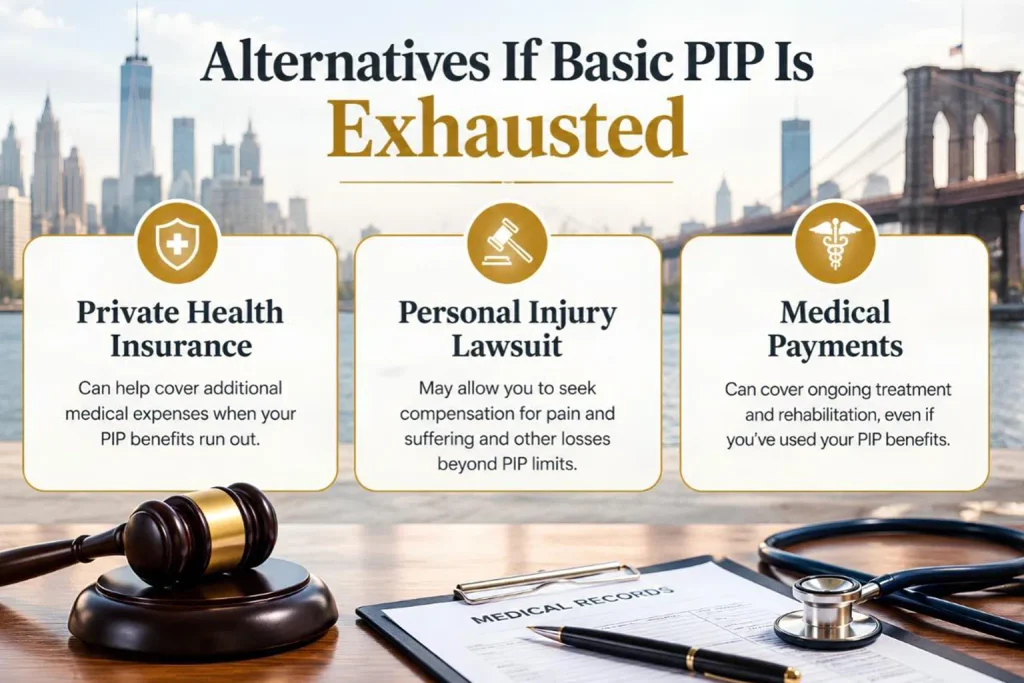
Once your $50,000 in basic no-fault benefits runs out, your insurer generally stops paying under that coverage. You may be able to use additional PIP coverage, health insurance, or pursue a claim against the at-fault driver if your injuries meet New York’s legal requirements.
Can No-Fault Insurance Cut Off My Treatment After an IME Denial?
Yes, an insurer may deny coverage for future treatment after an independent medical examination (IME). This may happen if the examination finds that further treatment is not medically necessary. However, the denial must comply with applicable rules.